

When people think about luxury real estate in the United States, cities like New York, Los Angeles, Miami, and San Francisco often come to mind first.
Yet Chicago continues to prove that it belongs in the conversation.
While Chicago remains more affordable than many coastal markets, some of its most desirable neighborhoods feature multi-million-dollar homes, luxury high-rises, historic mansions, and record-breaking real estate transactions.
In 2026, Chicago’s luxury market remains strong, with demand continuing in several high-end neighborhoods throughout the city. Recent reports show that Chicago’s luxury market has remained surprisingly resilient despite higher mortgage rates and economic uncertainty.
Why Chicago Is Different
One reason Chicago attracts buyers is value.
Compared to cities such as New York, Los Angeles, and San Francisco, buyers can often purchase significantly larger homes, luxury condominiums, and premium locations for a fraction of the price.
That doesn’t mean Chicago lacks luxury.
In fact, some of the city’s most prestigious neighborhoods offer world-class architecture, lakefront living, Michelin-starred restaurants, elite shopping districts, and some of the most recognizable residential streets in the Midwest.
Gold Coast: Chicago’s Traditional Luxury Leader
For decades, the Gold Coast has remained one of Chicago’s most prestigious addresses.
Located near Lake Michigan and just north of downtown, the neighborhood is known for historic mansions, luxury condominiums, tree-lined streets, and proximity to the Magnificent Mile.
Many real estate professionals still consider the Gold Coast the city’s premier luxury neighborhood, with some properties selling for several million dollars and premium homes commanding prices comparable to luxury districts in other major cities.
While New York may have Manhattan and Los Angeles may have Beverly Hills, Chicago has the Gold Coast.
Lincoln Park: Luxury Meets Lifestyle
If the Gold Coast represents traditional luxury, Lincoln Park represents luxury with a neighborhood feel.
The area continues to attract affluent families, professionals, and executives looking for larger homes, top schools, access to parks, and walkable streets.
Recent market reports show strong demand and rising property values throughout Lincoln Park, making it one of the most competitive real estate markets in the city.
Many buyers moving from larger coastal cities are often surprised by the amount of space available compared to similarly priced properties elsewhere in the country.
River North: Downtown Luxury Living
River North has become one of the most sought-after neighborhoods for luxury condo buyers.
Known for its skyline views, restaurants, nightlife, galleries, and modern high-rise buildings, the neighborhood appeals to buyers who want an urban lifestyle close to downtown.
The area continues to attract professionals, investors, and second-home buyers who value convenience and modern amenities.
In many ways, River North offers a lifestyle comparable to luxury districts found in cities such as Miami and Dallas, but often at a lower entry price point.
West Loop: The Rising Star
Perhaps no neighborhood has transformed more dramatically over the past decade than the West Loop.
Once known primarily for warehouses and industrial buildings, the area has evolved into one of the city’s hottest real estate markets.
Luxury condo developments, high-end restaurants, new office buildings, and continued investment have helped fuel demand.
The neighborhood’s popularity has continued into 2026, making it one of Chicago’s fastest-growing luxury markets.
Many industry observers now view the West Loop as one of the most influential real estate success stories in Chicago.
How Chicago Compares to Other Major Cities
When compared with luxury markets in New York, Los Angeles, San Francisco, and Miami, Chicago still offers significant value.
A luxury condo in Manhattan or a home in Beverly Hills can easily reach tens of millions of dollars.
In Chicago, buyers can often find comparable luxury lifestyles for considerably less while still enjoying world-class dining, professional sports, cultural attractions, and lakefront living.
This combination of affordability and quality of life continues to attract buyers from across the country.
What Drives Prices in Chicago’s Luxury Neighborhoods?
Several factors continue to influence pricing:
- Lakefront access
- Walkability
- Historic architecture
- Restaurant and entertainment districts
- School quality
- Limited inventory
- Proximity to downtown employment centers
Neighborhoods that combine several of these features often experience the strongest demand.
Looking Ahead
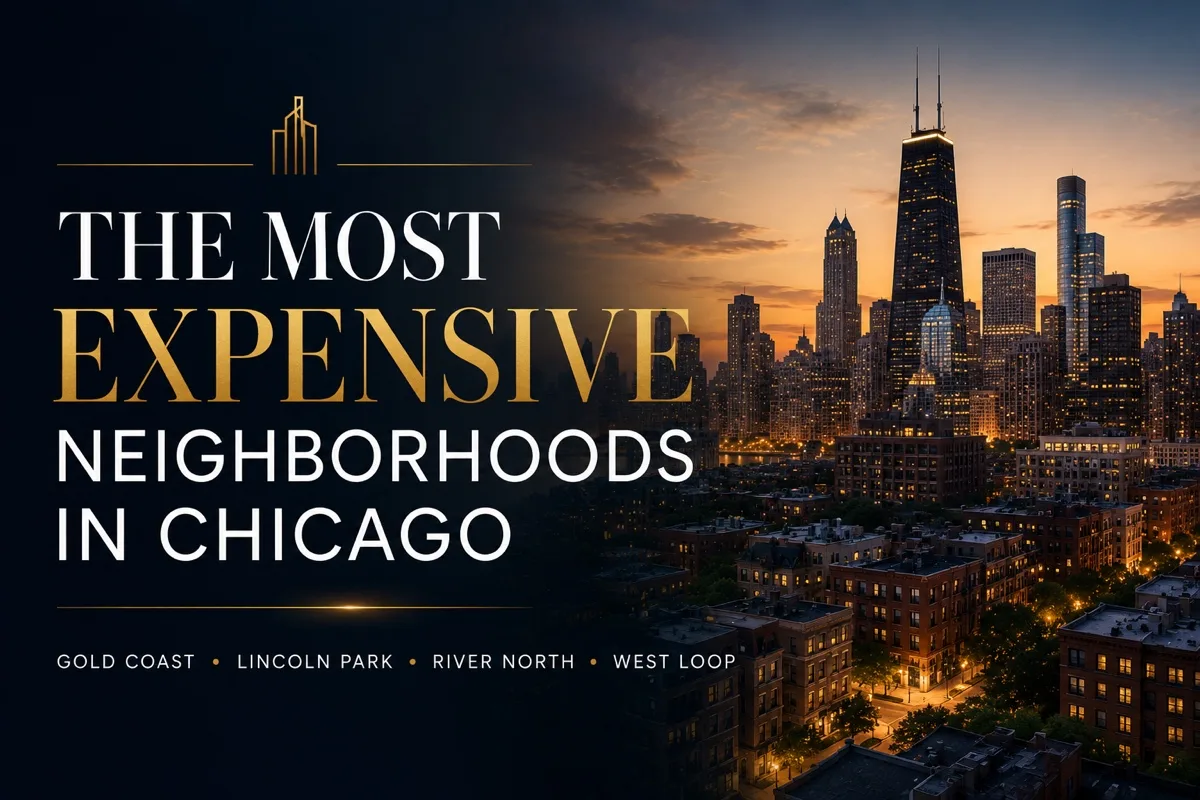
As Chicago’s real estate market continues to evolve, neighborhoods such as Gold Coast, Lincoln Park, River North, and West Loop remain among the city’s most desirable places to live.
While Chicago may not match the extreme prices seen in New York or Los Angeles, it continues to offer something many luxury buyers are searching for:
Exceptional value in one of America’s greatest cities.
For buyers, sellers, and investors alike, Chicago’s luxury real estate market remains one of the most fascinating stories in American housing as 2026 continues.